Car accident fault: what the evidence can and cannot tell you
Why a crash label is only a starting point, and how to describe reports, photos, witnesses, and disputed details clearly.
Rear-end, left-turn, intersection, and lane-change accidents describe a collision. They do not tell the entire story of what each person did beforehand. A useful review starts with the sequence, the available information, and the questions still open. This page does not assign responsibility or predict how a state rule would apply to you.
Describe the sequence, not just the impact
Think of the account as a timeline. Where were the vehicles before contact? What direction were they traveling? What did you personally see? A photograph may show where a car ended up without showing how it reached that position. An account from someone who heard the impact is different from an account from someone who saw the approach.
That distinction is especially helpful with a chain-reaction crash. Several impacts can feel like one event from inside a vehicle. A review can identify what information exists without requiring you to reconstruct moments you did not observe. The same approach works for a parking-lot crash, a merging collision, or an accident involving a pedestrian.
Different records answer different questions
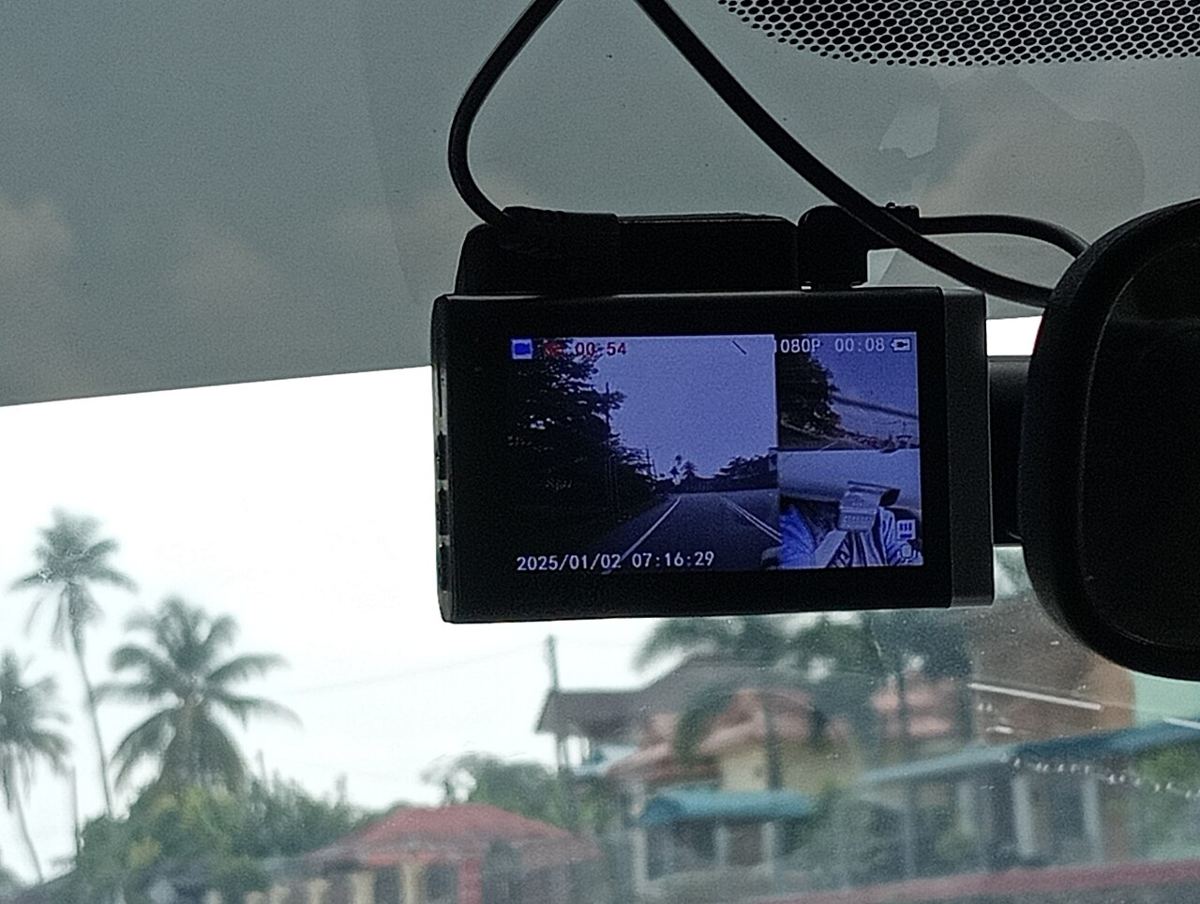
An accident report, a witness account, a dashcam file, and a repair photograph are different kinds of records. Their dates, sources, and completeness matter. If a video begins after the collision, that limitation belongs in the description. If a report contains a detail you believe is wrong, the precise detail and your reason for questioning it are more informative than saying the entire report is wrong.
The Idaho insurance department's consumer guidance describes insurers investigating accidents before reaching fault determinations. That is an example of an insurer's review process, not a nationwide rule making an insurer or a police report the final decision-maker in every dispute. A court case is a separate process with its own evidence and procedural rules.
Shared fault needs a state-specific explanation
Searches about comparative or contributory negligence are often really asking, 'Does my own driving mean I have no options?' Those terms concern how responsibility can affect a claim. The applicable rule, the type of claim, and the facts need individual legal analysis. A national page cannot reliably turn 'partly my fault' into a yes-or-no eligibility answer.
It is fine to distinguish between what someone told you and what you believe happened. For example, 'The insurer's letter says I was responsible' describes an existing decision. It does not require you to supply your own legal conclusion in an intake form.
A different vehicle can add different questions
A company name on a truck, a rideshare trip, borrowed car, road condition, or suspected vehicle defect may introduce questions about people or organizations beyond the drivers. None establishes liability by itself. Vehicle ownership, work activity, trip details, and the actual event may need separate examination.
For a consultation, the goal is a readable account with the relevant documents attached, not an argument written like a lawsuit. Accident LLC can collect that account for a review request. It cannot determine fault, overturn an insurer's decision, or tell you whom to sue. Those decisions depend on the facts and the law that applies.
Sources and further reading
Official resources supporting this guide. The linked agencies publish their own current instructions.
Accident LLC is not a law firm. No settlement or representation is guaranteed. Submitting information does not create an attorney-client relationship.
More questions, explained.

What to have ready for your accident review
Read the guide ↗
What affects the value of an accident claim?
Read the guide ↗
After a car accident: sorting out the next few days
Read the guide ↗